
Bird Flu Biosecurity in NZ: Everyday Cleaning Practices That Help Reduce Risk
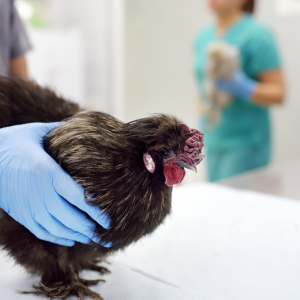
Good biosecurity is one of the most practical ways poultry owners can reduce the risk of disease entering and spreading through their flock.
With H5 bird flu now detected in wild birds in New Zealand, poultry farms, lifestyle blocks and backyard bird owners have an even stronger reason to review everyday cleaning routines.
Simple measures such as keeping sheds and equipment clean, controlling visitors, washing hands, changing footwear, wearing appropriate gloves, managing waste carefully and cleaning equipment before it moves between bird areas can all support a stronger biosecurity programme.
The key is consistency. Bird flu biosecurity isn't based on one cleaning product or one big clean-up — it relies on good hygiene habits being followed every day.
Why Bird Flu Biosecurity Matters in New Zealand
Bird flu, also known as avian influenza, is a viral disease that primarily affects birds.
In July 2026, New Zealand confirmed its first detection of the H5N1 strain of high pathogenicity avian influenza in a wild seabird. As of 7 September 2026, three H5 bird flu detections had been confirmed in wild birds in New Zealand, with no detections in poultry.
For poultry farmers and bird owners, that makes prevention particularly important.
Wild birds and their faeces are considered one of the greatest pathways through which H5 bird flu could reach poultry. Contamination can also be carried indirectly through equipment, footwear, clothing, vehicles, feed, water and other materials moving around a property.
That is why strong biosecurity is not simply about reacting when birds become sick.
It starts with what happens every day.
What Does Bird Flu Biosecurity Actually Mean?
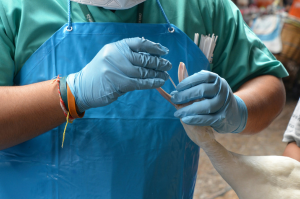
Biosecurity refers to the steps taken to prevent diseases and other biological threats from entering or spreading through a farm, facility or flock.
For poultry operations, this can include:
- Limiting unnecessary visitors
- Preventing contact with wild birds
- Keeping feed and water protected
- Cleaning sheds and equipment
- Disinfecting where appropriate
- Managing footwear and clothing
- Washing and drying hands properly
- Using suitable personal protective equipment
- Managing litter and waste
- Separating new or sick birds
- Avoiding unnecessary movement of equipment between farms
MPI recommends strong on-farm biosecurity as one of the main ways poultry producers can help reduce their risk from H5 bird flu.
Cleaning plays an important role within that system.
1. Keep Poultry Sheds and Surrounding Areas Clean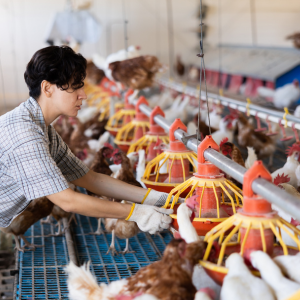
A clean poultry shed is easier to manage from a biosecurity perspective than one where manure, feathers, spilled feed, dirt and other organic material are allowed to accumulate.
Regular cleaning should include areas such as:
- Floors
- Walls
- Aviary wire
- Entrances
- Feed containers
- Water containers
- Tools and equipment
- Storage areas
- High-touch surfaces
MPI recommends regularly cleaning areas around poultry sheds, removing litter, sand and grit as appropriate, and thoroughly cleaning and disinfecting poultry housing and equipment.
Routine cleaning can also make it easier to identify unusual contamination, pest activity or other problems before they become larger issues.
For day-to-day cleaning tasks, poultry operations may benefit from keeping a dedicated supply of commercial cleaning products on site rather than relying on whatever cleaner happens to be available.
Insinc stocks a broad range of commercial cleaning supplies, including multipurpose cleaners, degreasers, enzyme-based cleaners, hand wash and other hygiene products suitable for different workplace cleaning requirements.
2. Understand the Difference Between Cleaning and Disinfection
Cleaning and disinfection are related, but they are not the same thing.
Cleaning
Cleaning physically removes dirt, manure, grease, feed residue and other organic material from surfaces.
Disinfection
Disinfection involves using an appropriate disinfectant to reduce or inactivate microorganisms on a surface after it has been properly cleaned.
This order matters.
Applying disinfectant over layers of dirt and organic material may make the process less effective. A thorough cleaning stage helps expose the underlying surface so that the appropriate disinfection procedure can be carried out properly.
For areas with grease or organic build-up, enzyme-based cleaners can be useful as part of routine cleaning. These products are designed to help break down organic residues, oils, grime and other build-up.
Insinc's range of enzyme-based cleaners includes Bio-Zyme and other bio-enzymatic cleaning products for commercial cleaning applications.
However, a general cleaner should not automatically be treated as a bird flu disinfectant. When specific H5 avian influenza disinfection is required, follow current MPI, veterinary and product-label guidance and use products appropriate for that purpose.
3. Pay Particular Attention to Entrances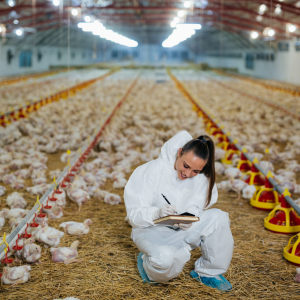
The entrance to a poultry shed is one of the most important places to control movement.
Every person walking into a bird area potentially brings material with them on their:
- Boots
- Clothing
- Gloves
- Equipment
- Tools
Creating a clearly defined clean and dirty zone at shed entrances can help reduce unnecessary contamination.
A simple entry routine might include:
- Remove or clean outdoor footwear.
- Use dedicated shed footwear where possible.
- Wash or sanitise hands.
- Put on clean protective clothing or PPE.
- Use a properly maintained foot bath when required.
- Avoid carrying unnecessary equipment into the bird area.
MPI specifically recommends protective clothing, footwear management and foot baths as part of poultry biosecurity practices.
4. Use Disposable Gloves Correctly
Disposable gloves can provide a useful barrier when cleaning poultry areas, handling waste or carrying out other hygiene-sensitive tasks.
But gloves only work properly when they are changed at the right time.
A pair of gloves that has touched contaminated equipment, rubbish, manure or dirty surfaces should not then be used to handle clean equipment, feed containers or other areas.
Good practice includes:
- Washing hands before putting gloves on
- Using the correct glove for the task
- Changing gloves between dirty and clean jobs
- Removing gloves carefully
- Disposing of single-use gloves after use
- Washing hands again after removing them
Gloves are a barrier — they do not replace proper handwashing.
Keeping gloves available near cleaning stations can also make good hygiene practices easier for workers to follow consistently.
5. Don't Forget Hand Hygiene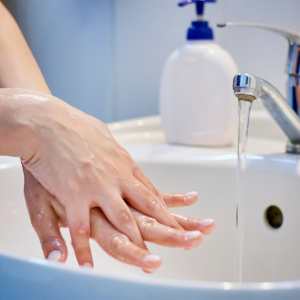
Hands can move contamination from one surface to another surprisingly quickly.
A worker might touch a gate, feed container, hose, door handle, mobile phone and bird equipment within just a few minutes.
Good hand hygiene should therefore form part of everyday poultry biosecurity.
Wash hands:
- Before entering bird areas
- After handling birds
- After cleaning
- After handling manure or litter
- After removing gloves
- Before handling feed
- Before moving between separate flocks
MPI recommends washing hands with soap and following good hygiene practices before and after handling birds.
Keeping hand soap, disposable paper towels and other hygiene supplies stocked near poultry work areas makes compliance easier than expecting staff to search for supplies when they need them.
6. Keep Equipment Dedicated Where Possible
Sharing equipment between sheds, flocks or farms introduces another possible pathway for contamination.
Items such as:
- Buckets
- Feed scoops
- Brooms
- Shovels
- Crates
- Egg-handling equipment
- Cleaning tools
- Maintenance equipment
can carry organic material from one area to another.
Where practical, dedicate equipment to specific sheds or flocks.
Colour coding can make this easier. For example, one shed might use blue buckets and brushes while another uses red.
Where equipment does need to move, clean and disinfect it thoroughly before transferring it.
MPI specifically advises poultry operators not to share equipment with other farms or birdkeepers unless it has first been thoroughly cleaned and disinfected.
7. Keep Cleaning Equipment Clean Too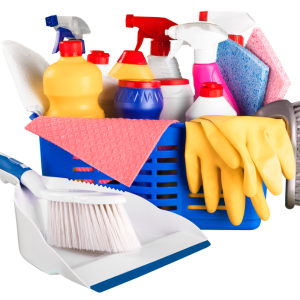
It sounds obvious, but dirty cleaning equipment can become part of the problem.
Mops, brushes, buckets, cloths and other tools can accumulate organic matter after use.
Instead of simply putting them back into storage:
- Remove visible contamination
- Wash reusable equipment
- Allow it to dry
- Store clean and dirty equipment separately
- Replace worn or heavily contaminated cleaning tools
- Avoid using the same tools across unrelated areas without cleaning them
Where disposable wiping is more appropriate, commercial paper towels or disposable wipes can help avoid repeatedly returning a contaminated cloth to the same cleaning solution or workspace.
8. Manage Poultry Waste Carefully
Used litter, manure, feathers, disposable PPE and other waste generated around poultry should be handled in a controlled way.
Avoid leaving waste exposed where it can attract wild birds or pests.
Depending on the material and your site's waste-management procedure, useful practices can include:
- Using designated waste containers
- Lining bins appropriately
- Keeping lids closed
- Separating clean supplies from waste storage
- Removing waste regularly
- Cleaning waste bins and surrounding areas
- Wearing appropriate gloves while handling waste
Strong rubbish bags and bin liners can make routine waste handling cleaner and easier, particularly for disposable gloves, paper towels and general cleaning waste.
Insinc stocks rubbish bags and bin liners in a range of sizes and formats for commercial waste-management needs.
9. Keep Feed and Water Areas Clean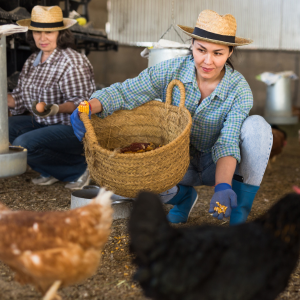
Feed and water can attract wild birds, rodents and other pests.
Spilled feed around poultry housing should therefore be cleaned up promptly.
MPI advises storing feed securely, keeping poultry feed and water inside where possible, and preventing contamination from wild birds and pest animals.
Regularly clean:
- Feeders
- Water containers
- Feed preparation surfaces
- Feed storage areas
- Spilled feed around sheds
Cleaning schedules can be particularly helpful on larger farms, where relying on somebody simply noticing that an area looks dirty can lead to inconsistent results.
10. Think About Vehicles, Boots and People — Not Just Birds
Disease organisms do not need to travel directly from bird to bird.
Movement around farms matters too.
Vehicles, contractors, visitors, equipment and footwear can all move contaminated material between locations.
MPI advises farms and lifestyle blocks to minimise unnecessary traffic and carefully clean and disinfect equipment or vehicles before they are shared between properties.
For poultry operations, this may mean establishing clear rules around:
- Visitor parking
- Contractor access
- Delivery areas
- Footwear
- Equipment movement
- Vehicle cleaning
- Visitor records
The easier those rules are to understand, the more likely people are to follow them.
11. Reduce Contact With Wild Birds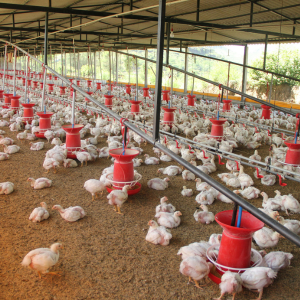
Cleaning is important, but it cannot replace physical biosecurity.
Wild birds and their faeces remain a major concern for introducing H5 bird flu to poultry.
MPI recommends steps such as:
- Bird-proofing poultry housing
- Netting access points where practical
- Removing standing water that may attract wild birds
- Keeping feed indoors
- Cleaning spilled feed
- Preventing poultry access to ponds, lakes and creeks where wild birds gather
- Removing places around sheds that provide shelter for wild birds
Cleaning works best as one part of this broader system.
Build a Simple Poultry Biosecurity Cleaning Station
Good hygiene becomes easier when everything workers need is available in one place.
A basic cleaning and hygiene station could include:
| Supply | Purpose |
| Hand soap | Handwashing before and after poultry work |
| Paper towels | Hygienic hand drying and disposable wiping |
| Nitrile gloves | Barrier protection for appropriate cleaning tasks |
| Cleaning products | Routine removal of dirt and organic material |
| Enzyme cleaner | Breaking down organic grime and residue where appropriate |
| Approved disinfectant | Disinfection according to applicable guidance |
| Brushes and cleaning tools | Physical removal of dirt and debris |
| Bin liners | Containing disposable cleaning waste |
| Dedicated footwear | Reducing movement of contamination between areas |
Insinc supplies many of these everyday cleaning and hygiene essentials, making it possible for poultry operations and other NZ businesses to source cleaning products, gloves, paper products and waste-management supplies from one place.
Consistency Is More Important Than the Occasional Deep Clean
A major clean once every few months cannot compensate for poor everyday hygiene.
Biosecurity is strongest when simple practices become routine.
That might mean:
Every entry:
Clean footwear, wash hands and follow PPE rules.
Every day:
Remove spilled feed, clean obvious contamination and inspect bird areas.
Between groups or batches:
Carry out more thorough cleaning and disinfection.
Before equipment moves:
Clean and disinfect it appropriately.
After handling waste:
Dispose of it correctly and wash hands.
Creating written procedures and assigning responsibility can help ensure these tasks actually happen rather than being assumed.
Bird Flu Biosecurity Is About Layers of Protection
There is no single product that creates good farm biosecurity.
Instead, protection comes from multiple layers working together:
- Keep wild birds away.
- Control movement.
- Keep equipment clean.
- Remove organic contamination.
- Disinfect appropriately.
- Maintain good hand hygiene.
- Use PPE correctly.
- Manage waste carefully.
- Monitor birds closely.
Each individual step may appear small, but together they create a much stronger barrier against disease.
For poultry farms, lifestyle blocks and other bird owners across New Zealand, now is a good time to review whether the everyday basics are actually in place.
Having the right cleaning supplies available is one part of making that easier.
Insinc stocks a wide range of commercial cleaning and hygiene products, including enzyme-based cleaners, gloves, hand hygiene products, paper towels and rubbish bags, helping New Zealand businesses keep essential cleaning supplies readily available.
Strong biosecurity starts long before there is a problem — and often, it starts with everyday cleaning.
Frequently Asked Questions
What is bird flu biosecurity?
Bird flu biosecurity refers to measures designed to reduce the chance of avian influenza entering or spreading through a poultry flock. This can include limiting contact with wild birds, controlling visitors, cleaning and disinfecting equipment, managing footwear, washing hands and maintaining good farm hygiene.
Has bird flu been detected in New Zealand?
Yes. New Zealand confirmed its first detection of the H5N1 strain of high pathogenicity avian influenza in a wild bird in July 2026. As of 7 September 2026, three H5 bird flu detections had been confirmed in wild birds, with no detections in poultry.
Can cleaning prevent bird flu?
Cleaning alone cannot guarantee that bird flu will be prevented. However, good cleaning and hygiene form an important part of a broader biosecurity programme designed to reduce opportunities for disease to enter or move around a poultry operation.
What should poultry sheds be cleaned with?
The appropriate product depends on the surface, type of contamination and purpose of the cleaning. General or enzyme-based cleaners may help remove dirt, grease and organic residue during routine cleaning. Where disease-specific disinfection is required, use an appropriate disinfectant according to current MPI, veterinary and product-label guidance.
What is the difference between cleaning and disinfecting?
Cleaning removes dirt, manure, grease and other physical contamination. Disinfection is a separate step that uses an appropriate disinfectant to reduce or inactivate microorganisms on cleaned surfaces.
Thorough cleaning generally comes before disinfection.
Can enzyme cleaners be used around poultry facilities?
Enzyme-based cleaners can be useful for routine cleaning tasks involving organic grime, grease and other build-up on compatible surfaces. Always follow product directions and make sure the product is appropriate for the surface and intended application.
Do enzyme cleaners kill H5 bird flu?
An enzyme cleaner should not be assumed to kill H5 avian influenza unless the specific product has appropriate testing, approval or label claims supporting that use.
Enzyme cleaners can instead play a useful role in the cleaning stage, helping remove organic contamination before an appropriate disinfection process.
Should poultry workers wear disposable gloves?
Disposable gloves can be useful for cleaning, waste handling and other tasks where barrier protection is appropriate. Gloves should be changed when contaminated and should not replace proper handwashing.
How often should poultry equipment be cleaned?
Cleaning frequency depends on how the equipment is used. Feed and water containers should be cleaned regularly, while equipment moving between sheds, flocks or farms should be thoroughly cleaned and disinfected where appropriate before transfer.
How can small poultry owners improve biosecurity?
Start with practical habits:
- Keep wild birds away from poultry
- Protect feed and water
- Keep sheds clean
- Use dedicated footwear
- Wash hands regularly
- Restrict unnecessary visitors
- Clean equipment before moving it
- Manage litter and waste
- Separate new or sick birds
- Monitor birds for unusual illness or deaths
Even small improvements can make everyday biosecurity easier to maintain.
What should I do if I suspect bird flu in my birds?
Do not attempt to diagnose the disease yourself. Follow current Biosecurity New Zealand guidance and report suspected exotic disease or unusual bird illness or deaths to MPI through the appropriate reporting channels. MPI provides specific guidance for poultry owners and commercial operators on responding to suspected bird flu.
https://www.insinc.co.nz/category/cleaning-products-supplies.html
Posted: Friday 4 September 2026