
Why Cleaning Product Triggers Keep Breaking (And Better Alternatives)
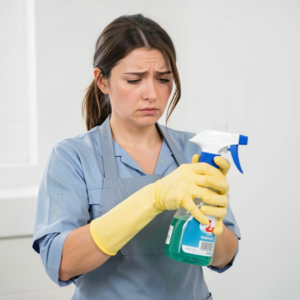
If you’re constantly replacing broken trigger sprays, you’re not alone. In busy commercial environments, standard trigger bottles often fail under pressure — leading to leaks, wasted product, staff frustration, and higher costs. Understanding why triggers break and knowing what alternatives work better can help businesses clean more efficiently, safely, and consistently.
Why Trigger Sprayers Fail in Commercial Environments
Trigger sprays are typically designed for light domestic use, not for the demands of commercial cleaning. In workplaces such as hospitality venues, schools, healthcare facilities, and offices, triggers are used repeatedly, often with stronger chemicals and little downtime.
Common reasons trigger sprayers fail include:
1. Low‑Quality Plastic Components
Many trigger sprays are made from thin plastics that crack or warp when exposed to commercial cleaning chemicals. Over time, this leads to leaks, stiff triggers, or complete failure.
2. Chemical Corrosion
Certain cleaning chemicals — especially degreasers and disinfectants — can degrade internal trigger mechanisms. Once seals or springs corrode, the trigger stops working properly.
3. Overuse and Repetitive Strain
In high‑use environments, trigger sprayers may be squeezed hundreds of times a day. This constant action puts strain on both the mechanism and the user’s hand, often resulting in broken triggers and staff fatigue.
4. Inconsistent Product Delivery
As triggers wear down, they deliver uneven sprays. This can cause over‑application in some areas and under‑application in others, leading to poor cleaning results and wasted product.
The Hidden Cost of Broken Trigger Bottles

While a single trigger sprayer may seem inexpensive, the ongoing costs add up quickly for commercial businesses.
Broken or leaking triggers can lead to:
-
Increased chemical waste
-
Slower cleaning times
-
More frequent re‑ordering of bottles
-
Slips or safety hazards from leaks
-
Frustration for cleaning staff
Over time, these issues impact both operational efficiency and cleaning consistency.
What to Use Instead of Standard Trigger Sprayers

For commercial settings, more durable and efficient dispensing solutions are often a better long‑term choice.
1. Commercial‑Grade Trigger Sprayers
If triggers are still preferred, upgrading to heavy‑duty, chemical‑resistant trigger sprayers can significantly improve durability. These are designed for frequent use and stronger formulations.
Best for:
-
Spot cleaning
-
Smaller areas
-
Lower‑frequency tasks
2. Pump Dispensers for Controlled Application
Pump dispensers provide a measured dose with each press, reducing strain on hands and minimising product waste. Unlike triggers, pumps are built for repetitive use and consistent output.
Best for:
-
Bench cleaning
-
Washrooms
-
High‑use areas
If you'd like to dive deeper into the pros and cons of different dispensing options, check out our article: Trigger Spray vs. Pump Dispenser: What’s Better for Your Cleaning Needs? It covers exactly when and why you might choose one over the other based on your workplace's unique cleaning requirements.
3. Wall‑Mounted Chemical Dispensing Systems
For larger commercial operations, wall‑mounted dispensers remove manual dilution. These systems dispense correctly diluted product directly into bottles or buckets, eliminating trigger fatigue and inconsistency.
Best for:
-
Back‑of‑house areas
-
Large facilities
-
Teams with multiple staff
When Should a Business Move Away from Triggers?
It may be time to upgrade your dispensing method if:
-
Triggers are breaking weekly or monthly
-
Staff complain about hand strain or fatigue
-
Product usage seems higher than expected
-
Bottles frequently leak or fail
Switching to pumps or dispensers improves reliability, safety, and cost control — especially in busy commercial environments.
Choosing the Right Dispensing Solution for Your Workplace
When selecting an alternative to trigger sprayers, consider:
-
Frequency of use
-
Type of cleaning chemicals
-
Number of staff using the product
-
Need for consistency and safety
A combination of durable trigger bottles, pump dispensers, and central dispensing systems often works best across different cleaning tasks.
For a more tailored look at what works best in specific industries, read our article: The Best Dispensing Systems for Schools, Aged Care, and Hospitality. It breaks down which dispensing tools are ideal for each environment to improve hygiene, reduce errors, and streamline cleaning routines.
Explore Insinc's Range of Durable Triggers and Dispensers
Ready to upgrade your cleaning equipment? At Insinc, we stock a wide selection of commercial-grade trigger bottles, chemical-resistant pumps, and precision dispensing systems designed to perform under pressure. Whether you’re managing a large facility or a small cleaning team, our products help you reduce waste, improve efficiency, and create a safer working environment.
Browse our cleaning dispensers and triggers here — or contact us for tailored recommendations.
Frequently Asked Questions (FAQ)
Why do trigger sprayers stop working so quickly?
Most triggers are not designed for repeated commercial use or exposure to strong chemicals. Internal components wear out or corrode, causing failure.
Are pump dispensers better than trigger sprays?
In many commercial settings, yes. Pumps reduce hand strain, deliver consistent amounts, and are generally more durable over time.
Do wall‑mounted dispensers reduce chemical waste?
Yes. Dispensing systems deliver controlled doses, helping businesses avoid over‑use and reduce overall chemical consumption.
Can I still use trigger bottles in a commercial setting?
Yes, but it’s best to use commercial‑grade triggers and reserve them for low‑use or spot‑cleaning tasks.
Final Thoughts
If your cleaning product triggers keep breaking, the problem isn’t your staff — it’s the equipment. Standard trigger sprayers aren’t built for the demands of commercial cleaning. By upgrading to stronger triggers, pump dispensers, or wall‑mounted dispensing systems, businesses can reduce waste, improve efficiency, and create a safer, more reliable cleaning process.
https://www.insinc.co.nz/dispensers-soap-toilet-paper-paper-towel.html
Posted: Friday 30 January 2026