
Beauty Salon Hygiene Checklist: 15 Things Every Salon Must Do Daily
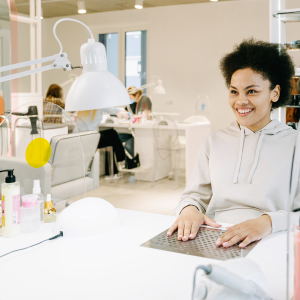
Maintaining excellent hygiene standards in a beauty salon is essential for protecting clients, ensuring staff safety, and creating a professional environment that customers trust. In New Zealand, clients are increasingly aware of hygiene expectations in personal care businesses, and salons that demonstrate strong sanitation practices often build better reputations and attract more repeat bookings. This comprehensive guide explains why hygiene matters in modern beauty salons, outlines common hygiene risks, and provides a detailed daily checklist of essential tasks. It also explores the role of disposable products, cleaning routines, and professional hygiene supplies that help salons maintain a clean, welcoming environment every day.
Why Hygiene Is Critical in Beauty Salons
Beauty salons are environments where professionals work in close physical contact with clients. Treatments often involve skin contact, shared tools, water, creams, oils, and other cosmetic products. Without strict hygiene practices, there is a higher risk of bacteria spreading between clients or accumulating on surfaces and tools.
For salon owners in New Zealand, maintaining excellent hygiene standards is not only about cleanliness—it is also about building customer confidence. Clients want to feel safe when they enter a salon, and visible hygiene practices such as wiping surfaces, replacing disposable items, and washing hands between treatments create reassurance that the salon prioritises their wellbeing.
A clean salon environment also contributes to a professional brand image. When clients walk into a tidy reception area, see organised treatment rooms, and notice staff following hygiene protocols, they are more likely to trust the service and recommend the business to others.
Hygiene also impacts long‑term business success. Poor sanitation practices can lead to negative reviews, client complaints, and even health risks. Research and public health guidance consistently highlight the importance of infection control in personal service settings such as beauty salons. The New Zealand Ministry of Health has also released public health guidance specifically for hairdressing and barbering businesses, emphasising the need for regular cleaning of tools and surfaces, proper hand hygiene, and good sanitation practices to protect both workers and customers. These recommendations reinforce the importance of maintaining hygienic workstations and sanitising shared equipment in any salon environment. Following recognised hygiene guidance helps ensure safer workplaces for both staff and customers. By contrast, salons that maintain strong hygiene standards often enjoy higher customer loyalty, better online reviews, and stronger word‑of‑mouth referrals. For further information, see the Ministry of Health announcement on public health guidance for the hairdressing industry.
Hygiene Expectations for Beauty Salons in New Zealand
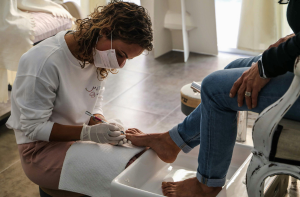
New Zealand beauty salons operate in a professional environment where health, safety, and cleanliness are expected by both customers and local authorities. While regulations may vary depending on the service offered, salons are generally expected to follow good hygiene and sanitation practices to protect clients and staff.
These expectations include:
-
Cleaning treatment areas between clients
-
Sanitising tools and equipment
-
Properly disposing of waste
-
Maintaining clean bathrooms and waiting areas
-
Practising good personal hygiene
Salon clients in New Zealand are also increasingly conscious of hygiene following global health events in recent years. Many customers now actively observe how therapists clean equipment, change towels, or sanitise workstations between treatments.
Because of this, salon hygiene is no longer something that happens behind the scenes—it has become a visible part of the customer experience.
Common Hygiene Risks in Beauty Salons
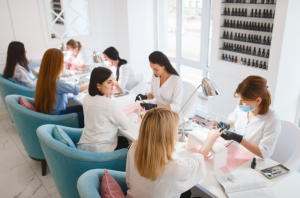
Even well‑run salons can face hygiene challenges if proper procedures are not followed consistently. Understanding the most common hygiene risks helps salon owners create systems that reduce the likelihood of contamination or infection.
Cross‑Contamination Between Clients
Cross‑contamination occurs when bacteria, fungi, or other microorganisms are transferred from one client to another through tools, surfaces, or products. For example, using the same nail tool without disinfecting it properly can spread bacteria between clients.
Contaminated Tools and Equipment
Tools such as tweezers, nail clippers, brushes, and scissors are frequently used throughout the day. If these tools are not cleaned and disinfected between clients, they can harbour bacteria and create hygiene risks.
Poor Surface Cleaning
Salon workstations, treatment beds, chairs, and counters are high‑touch areas that require frequent cleaning. Without regular sanitation, these surfaces can quickly accumulate germs.
Improper Waste Management
Salon waste such as cotton pads, tissues, disposable applicators, and packaging can build up quickly during the day. If bins are not emptied regularly, waste can create unpleasant odours and contribute to an untidy environment.
Lack of Hand Hygiene
One of the simplest yet most important hygiene practices is proper hand washing. Therapists who wash their hands before and after treatments significantly reduce the risk of spreading bacteria.
The Daily Beauty Salon Hygiene Checklist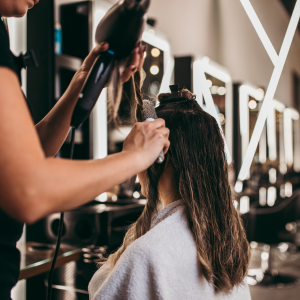
Creating a structured daily hygiene routine helps ensure that cleanliness standards are maintained consistently throughout the day. The following checklist outlines 15 essential tasks every beauty salon should complete daily.
1. Sanitise Treatment Beds Between Clients
Treatment beds should be wiped down with disinfectant after every appointment. This removes bacteria, product residue, and oils left behind during treatments.
2. Use Disposable Gloves When Required
Disposable gloves should be worn for treatments that involve skin contact, extractions, waxing, or exposure to bodily fluids. Gloves help protect both the therapist and the client.
3. Replace Disposable Items Between Clients
Items such as cotton pads, wooden applicators, tissues, and disposable bed covers must never be reused. Replacing them between every treatment prevents cross‑contamination.
Disposable items play a crucial role in maintaining hygiene standards in modern salons, but many salon owners are unsure exactly which disposable products are necessary for daily operations. From gloves and wipes to applicators and protective coverings, the right supplies can make a significant difference in both sanitation and efficiency. In our next guide, What Disposable Products Do Beauty Salons Need? Complete Guide, we explore the most essential disposable products used in professional salons and how they help improve hygiene, streamline treatments, and create a safer experience for both clients and staff.
4. Disinfect Tools and Equipment
All reusable tools should be cleaned and disinfected between clients. Nail tools, tweezers, scissors, and brushes should be sanitised using appropriate disinfectant solutions.
5. Clean High‑Touch Surfaces
Door handles, EFTPOS machines, reception desks, light switches, and product display counters are touched frequently throughout the day. These surfaces should be wiped regularly with disinfectant wipes.
6. Maintain Clean Floors
Hair, dust, and cosmetic residue can quickly accumulate on salon floors. Sweeping and mopping floors regularly helps maintain hygiene and keeps the salon looking professional.
7. Empty Waste Bins Frequently
Waste bins should be emptied regularly to prevent overflow and unpleasant smells. Using strong bin liners makes waste disposal easier and more hygienic.
8. Wash Hands Before and After Each Treatment
Therapists should wash their hands thoroughly before and after every client. Hand hygiene is one of the most effective ways to prevent the spread of germs.
9. Keep Workstations Organised
A clutter‑free workstation makes cleaning easier and prevents contamination. Tools, products, and disposable items should be stored neatly and hygienically.
10. Disinfect Client Chairs
Salon chairs and stools should be wiped down regularly, especially in hair salons and treatment areas where product residue may build up.
11. Clean Mirrors and Glass Surfaces
Mirrors, glass shelves, and display cabinets should be cleaned regularly. While this is partly aesthetic, it also contributes to the perception of cleanliness.
12. Replace Towels Regularly
Fresh towels should be used for every client. Many salons also incorporate disposable towels to simplify hygiene management.
13. Maintain Bathroom Cleanliness
Salon bathrooms should be checked multiple times throughout the day. Clean bathrooms reinforce the impression that the entire business prioritises hygiene.
14. Keep Reception Areas Tidy
Reception areas are often the first space customers see. Keeping this area organised and clean creates a positive first impression.
15. Perform End‑of‑Day Cleaning
At the end of the day, salons should complete a deeper clean that includes sanitising tools, mopping floors, wiping workstations, and preparing the space for the next day.
Essential Hygiene Products Every Beauty Salon Should Have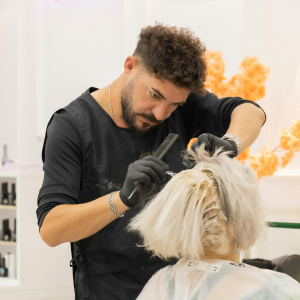
Having the right hygiene supplies available makes it easier for staff to follow sanitation procedures consistently. Some of the most essential hygiene products used in professional salons include:
-
Disposable towels
-
Cotton pads and applicators
These products allow therapists to quickly clean treatment areas between clients while maintaining high hygiene standards.
Reliable hygiene supplies also improve efficiency. When staff have access to disposable cleaning products and wipes, they can quickly reset treatment areas and move on to the next appointment without delays.
How Disposable Products Improve Salon Hygiene
Disposable products play an important role in modern salon hygiene. Unlike reusable materials, disposable items are used once and then discarded, eliminating the risk of contamination from previous clients.
For example, disposable gloves allow therapists to maintain hygiene during treatments without needing to repeatedly wash reusable protective equipment. Similarly, disposable wipes and applicators ensure that each client receives a clean and sanitary treatment.
Disposable products also help salons save time. Instead of spending valuable time washing and disinfecting reusable items, staff can simply replace disposable items and continue working efficiently.
Many salons in New Zealand now incorporate a mix of reusable and disposable products to balance hygiene, efficiency, and sustainability.
How Professional Hygiene Supplies Support Salon Efficiency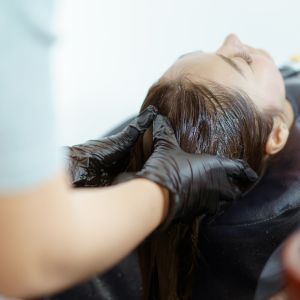
Efficient hygiene systems are essential in busy salons where therapists may see dozens of clients per day. Having reliable cleaning supplies readily available allows staff to maintain hygiene without slowing down operations.
For example, disinfectant wipes placed at each workstation allow therapists to quickly sanitise surfaces between clients. Disposable towels and wipes also reduce the time spent laundering large quantities of fabric towels.
By simplifying cleaning processes, salons can maintain high hygiene standards while keeping appointments running on schedule.
Supporting Clean Workplaces with Reliable Hygiene Supplies
Maintaining a clean salon environment requires dependable hygiene and cleaning products. Businesses across New Zealand rely on professional cleaning and disposable supplies to keep their workplaces hygienic and presentable.
Access to reliable products such as cleaning wipes, gloves, and bin liners helps salon teams maintain hygiene standards while creating a comfortable environment for clients.
Choosing quality hygiene supplies ensures that cleaning tasks are easier, faster, and more effective.
Frequently Asked Questions
How often should beauty salon tools be sanitised?
Tools should be cleaned and disinfected between every client. This ensures bacteria and microorganisms are not transferred from one client to another.
Why are disposable products important in salons?
Disposable products help prevent cross‑contamination because they are used once and then discarded. They also make cleaning routines more efficient.
What are the most important hygiene practices for salons?
The most important hygiene practices include sanitising tools, cleaning surfaces regularly, using disposable items when necessary, and maintaining proper hand hygiene.
How often should salons clean their floors?
Salon floors should be cleaned regularly throughout the day and thoroughly mopped at the end of each day.
Conclusion
Hygiene is one of the most important aspects of running a successful beauty salon. Clean treatment rooms, sanitised tools, and organised workspaces all contribute to a safe and professional environment that clients trust.
By following a structured daily hygiene checklist and using reliable cleaning and disposable products, salons can protect both their clients and their reputation. Strong hygiene practices not only improve safety but also enhance the overall customer experience, helping salons build long‑term loyalty and positive reviews.
Work with Insinc for Reliable Salon Hygiene Supplies
Maintaining high hygiene standards is much easier when your salon has access to reliable cleaning and disposable supplies. At Insinc, we help businesses across New Zealand maintain clean, professional environments with quality hygiene products, disposable supplies, and workplace cleaning solutions.
Whether you need disposable gloves, wipes, paper products, or strong bin liners for daily waste management, having dependable supplies on hand allows your team to maintain consistent hygiene standards without interrupting busy appointment schedules. Many salons choose Insinc because we focus on practical, cost-effective solutions that support clean and efficient workplaces.
If you’re looking to improve hygiene practices in your salon, explore the range of hygiene and disposable products available from Insinc and see how the right supplies can make day-to-day cleaning easier while helping you deliver a safer and more professional experience for every client.
https://www.insinc.co.nz/category/hygiene-supplies.html
Posted: Thursday 12 March 2026