
Can You Use Bleach on Microfibre Cloths? (Here’s Why You Shouldn’t)
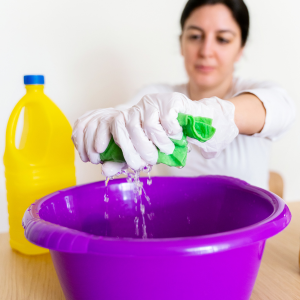
Microfibre cloths are widely used across New Zealand homes, offices, healthcare facilities, hospitality venues, and commercial workplaces because of their exceptional cleaning performance. Their ultra-fine fibres are designed to trap dirt, bacteria, dust, grease, and moisture far more effectively than traditional cleaning cloths.
However, despite their durability, microfibre cloths require proper care to maintain their performance and lifespan. One of the most common cleaning mistakes businesses and households make is using bleach to clean or disinfect microfibre cloths.
Many people assume bleach is the strongest and most effective way to sanitise cleaning cloths, especially in workplaces where hygiene standards are critical. While bleach can disinfect surfaces, it can also damage the delicate synthetic fibres that make microfibre cloths effective in the first place.
Over time, repeated bleach exposure can weaken fibres, reduce absorbency, lower cleaning performance, and shorten the lifespan of otherwise reusable cleaning cloths.
For businesses using commercial cleaning systems, understanding how bleach affects microfibre products is essential for maintaining workplace hygiene, reducing unnecessary replacement costs, and improving cleaning efficiency.
This guide explains why bleach is harmful to microfibre cloths, what happens when bleach damages fibres, safer cleaning alternatives, and how New Zealand businesses can properly maintain commercial microfibre cleaning systems.
What Are Microfibre Cloths Made From?
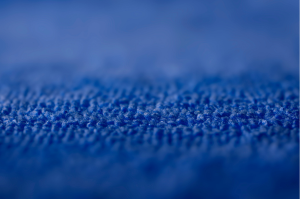
Microfibre cloths are made from extremely fine synthetic fibres, usually a blend of:
-
Polyester
-
Polyamide (nylon)
These fibres are split into microscopic strands that create a large surface area capable of trapping:
-
Dust
-
Dirt
-
Grease
-
Oils
-
Bacteria
-
Moisture
Unlike traditional cotton cloths, microfibre cloths work by physically lifting and trapping contaminants within the fibres.
This allows them to:
-
Clean effectively with less chemical use
-
Absorb liquid efficiently
-
Reduce streaking
-
Capture bacteria and allergens
-
Improve workplace hygiene
Their specialised fibre structure is what makes them highly effective — but also more vulnerable to damage from harsh chemicals such as bleach.
Why People Use Bleach on Cleaning Cloths
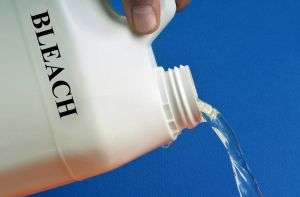
Bleach has long been associated with:
-
Disinfection
-
Stain removal
-
Whitening
-
Odour control
Many businesses and households use bleach because they believe it:
-
Kills bacteria effectively
-
Removes strong smells
-
Sanitises heavily used cloths
-
Improves hygiene standards
In healthcare, hospitality, food service, and washroom environments, there is often pressure to maintain high levels of cleanliness and disinfection.
As a result, bleach is commonly used without fully understanding how it affects different cleaning materials.
While bleach may disinfect, it is not always the safest or most suitable option for reusable microfibre products.
Why Bleach Damages Microfibre Cloths
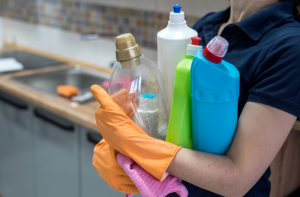
Microfibre cloths rely on extremely fine synthetic fibres to perform properly.
Bleach contains strong oxidising chemicals that gradually break down these fibres over time.
Repeated bleach exposure can cause:
-
Fibre weakening
-
Reduced absorbency
-
Fibre breakdown
-
Reduced dirt-trapping ability
-
Stiff texture
-
Colour fading
-
Shortened cloth lifespan
As fibres deteriorate, the cloth loses its ability to clean effectively.
Eventually, damaged cloths may:
-
Smear surfaces
-
Leave streaks
-
Spread bacteria
-
Retain odours
-
Require more chemicals to clean properly
For businesses, this increases:
-
Product replacement costs
-
Cleaning inefficiency
-
Workplace hygiene risks
-
Waste generation
What Happens to Microfibre Fibres When Bleach Is Used?
Microfibre cloths contain microscopic split fibres designed to create maximum surface area.
Bleach can:
-
Break down fibre integrity
-
Damage fibre softness
-
Reduce static charge properties
-
Cause fibres to become brittle
-
Reduce moisture absorption
Once these fibres are damaged, the cloth can no longer trap dirt and bacteria effectively.
Even if the cloth still looks visually clean, its cleaning performance may be significantly reduced.
This is why many commercial cleaning suppliers recommend avoiding bleach entirely when washing microfibre cloths.
Can Bleach Ever Be Used on Microfibre Cloths?
In some situations, diluted bleach may occasionally be used very carefully for disinfecting heavily contaminated cloths.
However, this should only occur:
-
In limited circumstances
-
Using heavily diluted solutions
-
According to manufacturer recommendations
-
With proper rinsing afterwards
Frequent bleach use is strongly discouraged.
For most businesses and households, safer alternatives are available that effectively clean and sanitise microfibre cloths without damaging the fibres.
Using the correct washing methods is one of the most important ways to protect microfibre cloths from unnecessary damage and maintain long-term cleaning performance. Incorrect detergents, high heat, poor drying methods, and harsh chemicals can all reduce the effectiveness and lifespan of reusable cleaning cloths over time. For businesses and households wanting practical advice on maintaining microfibre products properly, our article How to Clean Microfibre Cloths Properly (And What Not to Do) explains the best washing techniques, common mistakes to avoid, and how to extend the life of commercial microfibre cleaning systems.
Better Alternatives to Bleach for Cleaning Microfibre Cloths
Warm Water and Mild Detergent
For most cleaning situations, warm water and mild detergent are sufficient.
This removes:
-
Dirt
-
Oils
-
Grease
-
Bacteria
-
Cleaning residues
without damaging the fibres.
White Vinegar
White vinegar is commonly used to help:
-
Remove odours
-
Break down residue
-
Refresh cloths naturally
A small amount added occasionally during washing may help restore cloth softness.
However, excessive vinegar use should also be avoided.
Commercial Microfibre Detergents
Some workplaces use detergents designed specifically for microfibre products.
These detergents help:
-
Remove residue
-
Protect fibres
-
Maintain absorbency
-
Extend cloth lifespan
Commercial microfibre detergents are particularly useful in healthcare and commercial cleaning environments.
How to Wash Microfibre Cloths Properly Without Bleach
Separate Cloths From Other Fabrics
Microfibre cloths should not be washed with:
-
Cotton towels
-
Lint-producing fabrics
-
Heavy materials
Microfibre attracts lint easily, reducing cleaning effectiveness.
Use Warm Water
Recommended washing temperature:
-
Approximately 40°C to 60°C
Warm water effectively removes grease and dirt without damaging fibres.
Avoid boiling or extremely hot water.
Avoid Fabric Softener
Fabric softeners coat the fibres and reduce absorbency.
This is another common cause of microfibre cloth damage.
Use Gentle Washing Cycles
Harsh wash cycles can cause unnecessary fibre wear.
A standard or gentle cycle is usually sufficient.
Dry Properly
Air drying is ideal.
If using a dryer:
-
Use low heat only
-
Avoid dryer sheets
-
Avoid excessive heat exposure
High temperatures can melt or warp microfibre fibres.
Signs Bleach Has Damaged Your Microfibre Cloths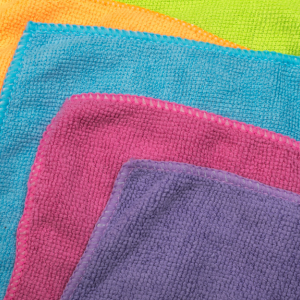
Businesses and households often continue using damaged cloths without realising their cleaning performance has declined.
Common signs of bleach damage include:
-
Reduced absorbency
-
Rough texture
-
Stiff fibres
-
Colour fading
-
Streaky cleaning results
-
Lingering odours
-
Reduced dust and dirt collection
If cloths no longer clean effectively, replacement may be necessary.
Why Proper Microfibre Care Matters for Businesses
Commercial workplaces rely heavily on cleaning efficiency and hygiene consistency.
Poorly maintained cleaning cloths can negatively affect:
-
Workplace hygiene
-
Cleaning quality
-
Staff productivity
-
Customer perception
-
Cleaning costs
Businesses that maintain microfibre products correctly benefit from:
-
Longer cloth lifespan
-
Better cleaning performance
-
Reduced replacement costs
-
Lower waste generation
-
Improved workplace hygiene standards
This is particularly important in:
-
Healthcare facilities
-
Offices
-
Hospitality venues
-
Food service businesses
-
Schools
-
Retail environments
Sustainable Benefits of Protecting Microfibre Cloths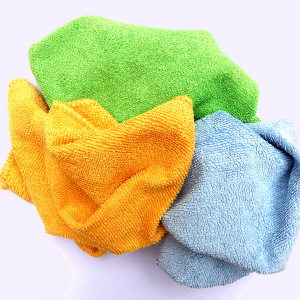
Microfibre cloths are reusable cleaning products designed to reduce waste.
However, harsh chemicals such as bleach can shorten their usable lifespan considerably.
Protecting cloths properly supports sustainability goals by:
-
Reducing unnecessary waste
-
Lowering replacement frequency
-
Minimising cleaning supply consumption
-
Improving long-term product efficiency
Many New Zealand businesses are now adopting more sustainable workplace cleaning systems that focus on reusable products and reduced chemical use.
Common Mistakes Businesses Make With Microfibre Cleaning Systems
Overusing Harsh Chemicals
More chemical does not always mean better cleaning.
Excessive chemical use can damage fibres and reduce cleaning effectiveness.
Reusing Dirty Cloths Too Long
Dirty cloths spread contamination rather than removing it.
Cloths should be washed regularly after use.
Using Incorrect Storage Methods
Damp cloths stored improperly can develop:
-
Mould
-
Bacteria
-
Odours
Storage areas should be dry and well ventilated.
Buying Low-Quality Cloths
Low-quality microfibre cloths often deteriorate faster and perform poorly.
Investing in higher-quality products usually delivers better long-term value.
Best Practices for Commercial Microfibre Cleaning Systems
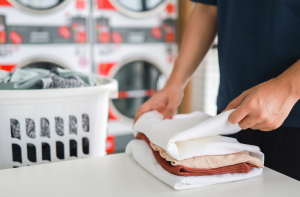
Businesses should:
-
Avoid bleach where possible
-
Use mild detergents
-
Train cleaning staff properly
-
Wash cloths regularly
-
Replace damaged cloths promptly
-
Store cloths dry
-
Use colour-coded systems
-
Avoid fabric softeners
Proper maintenance helps maximise cleaning performance while reducing long-term costs.
How Insinc Supports NZ Businesses With Workplace Cleaning Solutions
At Insinc Products, we help New Zealand businesses maintain cleaner, healthier workplaces with practical commercial cleaning and hygiene solutions.
We supply:
-
Commercial microfibre cloths
-
Workplace cleaning products
-
Washroom hygiene supplies
-
Sustainable cleaning products
-
Commercial cleaning chemicals
-
Colour-coded cleaning systems
Whether you operate an office, healthcare facility, hospitality venue, warehouse, school, or retail business, our team can help you choose effective workplace cleaning solutions that support hygiene, efficiency, and sustainability.
Frequently Asked Questions
Can you use bleach on microfibre cloths?
Bleach is generally not recommended because it can damage microfibre fibres and reduce cleaning performance over time.
Why is bleach bad for microfibre cloths?
Bleach weakens the synthetic fibres, reducing absorbency, durability, and dirt-trapping ability.
What is the best way to disinfect microfibre cloths?
Warm water, mild detergent, and proper washing practices are usually sufficient for regular cleaning. Some commercial environments may also use specialised microfibre detergents.
Can bleach ruin microfibre cloths permanently?
Yes. Repeated bleach exposure can permanently damage fibres and reduce cleaning effectiveness.
What should you avoid when washing microfibre cloths?
Avoid:
-
Bleach
-
Fabric softener
-
High heat
-
Dryer sheets
-
Washing with lint-producing fabrics
How often should businesses wash microfibre cloths?
Commercial workplaces should ideally wash cloths after each use, especially in healthcare, food service, and washroom environments.
How long do microfibre cloths last?
High-quality microfibre cloths can last for hundreds of washes if maintained correctly.
Conclusion
Microfibre cloths are highly effective cleaning tools, but proper maintenance is essential for preserving their cleaning power and long-term durability.
While bleach may seem like a strong disinfecting solution, repeated bleach use can damage microfibre fibres, reduce absorbency, and shorten cloth lifespan significantly.
By avoiding harsh chemicals and following proper washing practices, businesses can improve workplace hygiene, reduce unnecessary replacement costs, and extend the life of reusable cleaning products.
For businesses looking for practical commercial cleaning solutions, Insinc Products supplies workplace hygiene products designed to support cleaner, healthier New Zealand workplaces.
https://www.insinc.co.nz/microfibre-cloths.html
Posted: Friday 15 May 2026