
Reducing Sick Days Through Better Workplace Hygiene
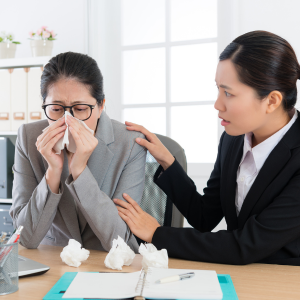
Every sick day costs New Zealand businesses money through lost productivity, reduced efficiency, increased workloads for other staff, and lower workplace morale. While occasional illness is unavoidable, many workplace-related illnesses spread because of poor hygiene practices, contaminated surfaces, and inadequate cleaning routines.
From shared desks and lunchrooms to washrooms and high-touch surfaces, offices can quickly become breeding grounds for bacteria and viruses if proper workplace hygiene standards are not maintained. In fact, research consistently shows that improving workplace cleanliness and hygiene can significantly reduce absenteeism and improve employee wellbeing.
For New Zealand businesses, investing in better workplace hygiene is no longer simply about appearances — it is an essential part of protecting staff health, maintaining productivity, and creating a professional environment that employees and customers trust.
This guide explains how workplace hygiene affects sick leave, the hidden hygiene risks many businesses overlook, and practical strategies NZ workplaces can implement to reduce illness-related absences.
Why Workplace Hygiene Matters More Than Ever
Many illnesses spread through everyday workplace contact. Shared equipment, communal kitchens, meeting rooms, bathrooms, and reception areas all contribute to the spread of germs throughout a business.
When one employee becomes sick, it can quickly impact entire teams.
Common workplace-transmitted illnesses include:
-
Colds and influenza
-
Gastro bugs
-
COVID-19 and respiratory viruses
-
Foodborne illnesses
-
Skin infections
-
Allergic reactions caused by poor cleanliness
Poor hygiene standards can lead to:
-
Increased employee sick leave
-
Lower staff morale
-
Reduced productivity
-
Negative customer impressions
-
Higher cleaning and maintenance costs
-
Greater health and safety risks
For businesses operating in customer-facing industries such as hospitality, healthcare, retail, education, and offices, workplace hygiene directly affects both employee wellbeing and brand reputation.
Recent reporting has highlighted just how significant workplace illness has become for New Zealand businesses. A study covered by RNZ found that increasing sick leave is now costing the New Zealand economy an estimated $4.17 billion annually. The research showed that Kiwi workers are taking more sick days than in previous years, with illness, stress, burnout, and workplace health concerns all contributing to rising absenteeism. For employers, this reinforces the importance of proactive workplace hygiene strategies. While businesses cannot eliminate illness entirely, maintaining cleaner, healthier workplaces can play a major role in reducing the spread of germs, improving employee wellbeing, and minimising avoidable sick leave across teams.
The Real Cost of Sick Days for NZ Businesses

Many businesses underestimate the financial impact of employee illness.
The true cost of workplace absenteeism includes:
Lost Productivity
When employees are absent, work slows down. Other team members often need to cover responsibilities, which can reduce efficiency across the business.
Increased Staffing Costs
Businesses may need to:
-
Pay overtime
-
Hire temporary staff
-
Delay projects
-
Redistribute workloads
Lower Workplace Morale
Frequent illness can create stress for remaining employees and contribute to burnout.
Customer Service Impacts
Reduced staffing levels often lead to:
-
Slower response times
-
Service delays
-
Lower customer satisfaction
Long-Term Health Risks
Poor workplace hygiene can contribute to recurring outbreaks of illness that affect business operations over extended periods.
For many NZ businesses, improving hygiene practices is one of the simplest and most cost-effective ways to reduce these risks.
How Germs Spread Around the Workplace
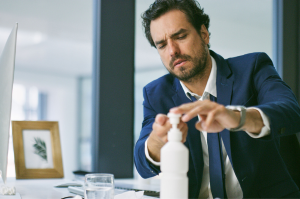
Many workplace illnesses spread through high-touch surfaces and shared spaces.
Common High-Risk Areas Include:
Shared Keyboards and Mice
Employees frequently touch shared devices throughout the day without sanitising them.
Door Handles
Door handles are among the most frequently touched surfaces in any workplace.
Kitchen Areas
Communal kitchens often contain bacteria from:
-
Shared fridges
-
Microwaves
-
Benchtops
-
Kettles
-
Coffee machines
Bathrooms and Washrooms
Poorly maintained washrooms significantly increase the spread of germs and bacteria.
Meeting Rooms
Shared desks, tables, phones, and presentation equipment can all harbour bacteria.
Reception Areas
Customers, couriers, and staff all interact with reception surfaces throughout the day.
Without proper cleaning and sanitising protocols, bacteria and viruses can remain on surfaces for hours or even days.
The Difference Between Cleaning, Sanitising, and Disinfecting
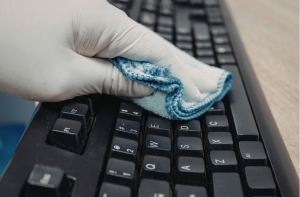
Many businesses use these terms interchangeably, but they are not the same.
Cleaning
Cleaning removes dirt, dust, and debris from surfaces.
This is usually done using:
Cleaning alone does not necessarily kill germs.
Sanitising
Sanitising reduces bacteria and germs to safer levels.
Sanitisers are commonly used in:
-
Kitchens
-
Food preparation areas
-
Shared office equipment
Disinfecting
Disinfecting uses chemicals designed to kill viruses, bacteria, and pathogens.
Disinfecting is especially important for:
-
High-touch surfaces
-
Bathrooms
-
Healthcare settings
-
Shared equipment
An effective workplace hygiene strategy uses all three methods appropriately.
Signs Your Workplace Hygiene Standards Need Improvement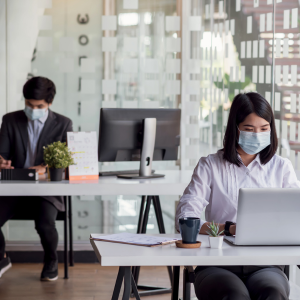
Many hygiene issues are not obvious until employees begin getting sick more frequently.
Common warning signs include:
-
Staff frequently catching colds or flu
-
Lingering odours in kitchens or bathrooms
-
Dust accumulation on surfaces
-
Overflowing rubbish bins
-
Dirty shared equipment
-
Soap or sanitiser dispensers regularly empty
-
Employees complaining about cleanliness
-
Increased pest activity
-
Mould or moisture issues
Ignoring these warning signs can lead to larger workplace health issues over time.
Creating a consistent and practical cleaning routine is one of the most effective ways businesses can improve workplace hygiene standards long-term. Without a structured system in place, important cleaning tasks are often missed, supplies run low, and hygiene standards become inconsistent across teams and shared spaces. For businesses wanting to build a more effective cleaning programme, our article NZ Office Cleaning Schedule Guide: How to Create a Cleaning Routine That Works provides practical advice on developing daily, weekly, and monthly cleaning schedules that support healthier, more productive New Zealand workplaces.
Proven Ways to Reduce Sick Days Through Better Workplace Hygiene
1. Focus on High-Touch Surface Cleaning
High-touch surfaces should be cleaned and disinfected more frequently than low-traffic areas.
Key surfaces include:
-
Light switches
-
Phones
-
Shared desks
-
EFTPOS machines
Implementing a regular sanitising schedule significantly reduces the spread of germs.
2. Improve Hand Hygiene Across the Workplace
Hand hygiene remains one of the most effective ways to reduce illness transmission.
Businesses should provide:
-
Hand sanitiser stations
-
Clear hygiene signage
Encourage employees to:
-
Wash hands regularly
-
Sanitise after shared equipment use
-
Stay home when sick
Touch-free dispensers can also improve hygiene standards while reducing cross-contamination.
3. Upgrade Washroom Hygiene Standards
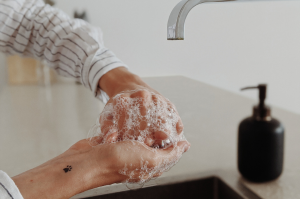
Washrooms strongly influence both employee health and workplace perception.
A poorly maintained washroom can spread bacteria rapidly throughout a workplace.
Businesses should ensure:
-
Soap dispensers are always stocked
-
Paper towels are replenished
-
Toilets are disinfected regularly
-
Floors are cleaned daily
-
Bins are emptied frequently
Using high-quality commercial washroom supplies improves both hygiene and user experience.
4. Use Colour-Coded Cleaning Systems
Cross-contamination is a major issue in many workplaces.
Colour-coded cleaning cloths and equipment help prevent bacteria spreading between areas.
For example:
-
Red = toilets and bathrooms
-
Blue = general office areas
-
Green = kitchens and food preparation
-
Yellow = medical or sensitive areas
This simple system can dramatically improve hygiene control.
5. Improve Air Quality and Ventilation
Poor ventilation contributes to the spread of airborne illnesses.
To improve indoor air quality:
-
Open windows where possible
-
Maintain HVAC systems
-
Replace filters regularly
-
Use air purifiers if necessary
-
Reduce moisture build-up
Better airflow helps reduce airborne contaminants and creates a healthier work environment.
6. Create a Workplace Cleaning Schedule
Consistency is critical.
Many businesses only react to hygiene issues after employees become sick.
A structured cleaning schedule ensures hygiene standards are maintained daily.
Your cleaning schedule should include:
-
Daily cleaning tasks
-
Weekly deep cleaning
-
Monthly maintenance checks
-
High-touch surface sanitising frequency
-
Supply restocking procedures
Clear accountability helps ensure tasks are completed properly.
7. Choose the Right Cleaning Products
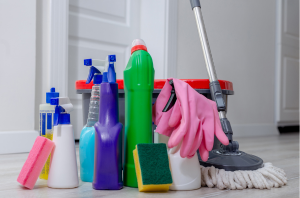
Not all cleaning products are suitable for commercial environments.
Businesses should choose products that are:
-
Effective against bacteria and viruses
-
Safe for staff
-
Suitable for workplace surfaces
-
Environmentally responsible where possible
Many NZ businesses are now switching to eco-friendly cleaning products that support sustainability goals without compromising hygiene standards.
Persistent workplace odours can also be an early warning sign that hygiene issues are not being properly addressed. Even after regular cleaning, unpleasant smells can linger due to hidden bacteria, poor ventilation, mould, dirty carpets, drains, or contaminated soft furnishings. These underlying problems not only affect employee comfort and customer perception but may also contribute to poor indoor air quality and the spread of germs. For businesses wanting to identify the root causes of lingering workplace odours, our article Why Does Your Office Still Smell Bad After Cleaning? Hidden Causes & Proven Solutions for New Zealand Workplaces explores common causes and practical solutions for creating fresher, healthier office environments.
8. Encourage Employees to Take Hygiene Seriously
Even the best cleaning systems fail if workplace hygiene culture is poor.
Businesses should encourage employees to:
-
Clean shared desks
-
Wipe down equipment
-
Wash hands regularly
-
Dispose of rubbish properly
-
Report hygiene issues quickly
Creating a culture of cleanliness helps reduce workplace illness long-term.
Workplace Hygiene Best Practices for Different Industries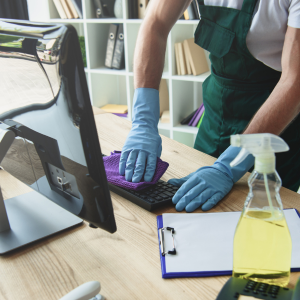
Offices
Focus on:
-
Shared desks
-
Meeting rooms
-
Kitchens
-
Reception counters
Healthcare Facilities
Require:
-
Hospital-grade disinfectants
-
Strict sanitising procedures
-
Frequent high-touch cleaning
Hospitality and Food Service
Critical areas include:
-
Food preparation surfaces
-
Bathrooms
-
Dining tables
-
Waste disposal areas
Schools and Education Facilities
Need additional focus on:
-
Shared equipment
-
Classroom desks
-
Bathroom hygiene
-
Frequent hand sanitising
Warehouses and Industrial Sites
Should prioritise:
-
Shared machinery
-
Break rooms
-
Locker rooms
-
Dust management
The Link Between Workplace Cleanliness and Employee Morale
Employees notice workplace cleanliness more than many businesses realise.
A clean environment helps staff feel:
-
Valued
-
Safer
-
More comfortable
-
More motivated
Poor hygiene standards can create frustration, discomfort, and distrust in workplace management.
Clean workplaces also create stronger first impressions for visitors, customers, and potential employees.
Sustainable Workplace Hygiene for NZ Businesses
More New Zealand businesses are now balancing hygiene performance with sustainability goals.
Sustainable workplace hygiene may include:
-
Reduced plastic packaging
Environmentally responsible cleaning solutions can support workplace wellbeing while helping businesses reduce waste.
Common Workplace Hygiene Mistakes Businesses Make
Only Cleaning Visible Dirt
Many harmful bacteria are invisible.
A workplace that looks clean may still contain contaminated surfaces.
Inconsistent Cleaning Schedules
Cleaning standards often decline during busy periods.
Consistency is essential.
Using Incorrect Products
Some products:
-
Damage surfaces
-
Fail to disinfect properly
-
Leave harmful residue
Ignoring Shared Equipment
Shared devices are among the highest-risk contamination points.
Running Out of Hygiene Supplies
Empty soap dispensers or sanitiser stations undermine workplace hygiene efforts immediately.
Creating a Healthier Workplace Culture
Reducing sick days requires more than cleaning alone.
Businesses should combine:
-
Good hygiene practices
-
Clear policies
-
Employee education
-
Proper supplies
-
Regular maintenance
Small improvements across multiple areas can lead to significant long-term reductions in illness-related absenteeism.
Why Professional Workplace Hygiene Matters
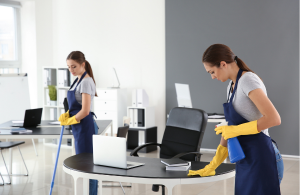
Professional cleaning and hygiene solutions help businesses maintain consistent standards.
Partnering with experienced suppliers gives businesses access to:
-
Commercial-grade products
-
Hygiene expertise
-
Sustainable solutions
-
Reliable supply chains
-
Better workplace outcomes
For NZ businesses, investing in workplace hygiene is ultimately an investment in productivity, staff wellbeing, and business performance.
How Insinc Supports Healthier NZ Workplaces
At Insinc Products, we help New Zealand businesses improve workplace hygiene with high-quality cleaning, hygiene, and sustainable packaging solutions designed for commercial environments.
We supply:
-
Commercial cleaning products
-
Washroom supplies
-
Hand hygiene solutions
-
Sustainable cleaning products
-
Waste management solutions
-
Food packaging products
Whether you operate an office, healthcare facility, school, café, warehouse, or retail business, our team can help you choose practical hygiene solutions that support healthier workplaces and reduce unnecessary sick days.
Frequently Asked Questions
How does workplace hygiene reduce sick days?
Proper cleaning and sanitising reduce the spread of bacteria and viruses, lowering the likelihood of employees becoming sick.
What are the dirtiest areas in most offices?
Common high-risk areas include keyboards, kitchen appliances, door handles, shared desks, and bathrooms.
How often should workplaces be disinfected?
High-touch surfaces should ideally be disinfected daily, or more frequently in high-traffic environments.
Are eco-friendly cleaning products effective?
Yes. Many commercial eco-friendly cleaning products effectively remove germs while reducing environmental impact.
What is the best way to improve workplace hygiene quickly?
Start by focusing on:
-
Hand hygiene
-
High-touch surfaces
-
Washroom cleanliness
-
Consistent cleaning schedules
Conclusion
Reducing sick days through better workplace hygiene is one of the smartest investments a New Zealand business can make.
Cleaner workplaces help protect employee health, improve productivity, strengthen morale, and create better experiences for customers and staff alike.
By implementing structured cleaning routines, improving hygiene practices, and using the right workplace cleaning products, businesses can significantly reduce illness-related disruptions and build healthier work environments for the long term.
For businesses wanting practical, sustainable workplace hygiene solutions, Insinc Products can help support cleaner, healthier NZ workplaces every day.
https://www.insinc.co.nz/category/cleaning-supplies.html
Posted: Friday 1 May 2026