
Why Your Workplace Washroom Says More About Your Business Than You Think
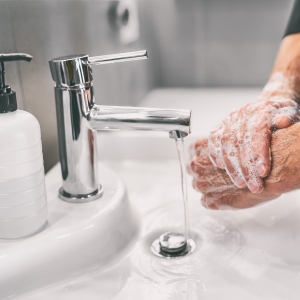
Many New Zealand businesses invest heavily in creating professional offices, welcoming reception areas, and strong customer experiences. However, one area is often overlooked despite having a major impact on how people perceive a business — the workplace washroom.
Whether consciously or subconsciously, employees, customers, visitors, and clients often judge a workplace by the cleanliness and condition of its bathrooms. A poorly maintained washroom can instantly create negative impressions about hygiene standards, professionalism, and attention to detail. On the other hand, clean, modern, and well-stocked facilities help reinforce trust, comfort, and confidence in a business.
Workplace washroom hygiene also directly affects employee wellbeing, workplace morale, productivity, and health. Inadequate cleaning, unpleasant odours, empty dispensers, and poor maintenance can contribute to the spread of germs and create uncomfortable workplace environments that negatively affect both staff and visitors.
For businesses across New Zealand, workplace washrooms are no longer simply functional spaces — they are a reflection of company standards, workplace culture, and commitment to employee and customer wellbeing.
This guide explores why workplace washroom hygiene matters more than many businesses realise, the risks associated with poor washroom maintenance, and practical strategies NZ businesses can implement to create cleaner, healthier, and more professional facilities.
Why Workplace Washrooms Matter More Than Businesses Realise
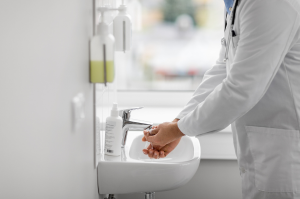
A workplace washroom may only occupy a small part of a building, but its influence on business perception can be surprisingly large.
Employees and visitors often associate bathroom cleanliness with the overall professionalism of a company.
When washrooms are:
- Dirty
- Poorly stocked
- Smelly
- Damaged
- Poorly maintained
people naturally question what other standards within the business may also be neglected.
In many workplaces, washrooms become a silent indicator of how much a business values:
- Employee wellbeing
- Hygiene standards
- Health and safety
- Customer care
- Workplace professionalism
This is particularly important for customer-facing industries such as:
- Hospitality
- Healthcare
- Retail
- Education
- Corporate offices
- Food service businesses
A clean washroom supports confidence and trust. A neglected one can undermine it quickly.
First Impressions Matter More Than Ever
In today’s competitive business environment, every customer interaction contributes to brand perception.
While businesses often focus on:
- Reception areas
- Meeting rooms
- Website design
- Branding
- Customer service
washrooms are frequently forgotten.
However, customers and visitors remember unpleasant experiences.
A dirty washroom may leave visitors thinking:
- The business lacks professionalism
- Hygiene standards are poor
- Staff wellbeing is not prioritised
- Attention to detail is missing
For many businesses, washrooms directly influence customer trust.
This is especially important in industries where hygiene expectations are naturally higher, such as:
- Cafés and restaurants
- Healthcare clinics
- Gyms
- Retail stores
- Schools
- Childcare facilities
Businesses that invest in workplace hygiene demonstrate higher operational standards overall.
The Connection Between Washroom Hygiene and Employee Wellbeing

Employees spend a significant portion of their week in the workplace.
When washroom facilities are unhygienic or unpleasant, it affects:
- Comfort
- Morale
- Workplace satisfaction
- Perception of management
- Confidence in workplace cleanliness
Poorly maintained washrooms can contribute to stress and frustration among employees.
Common workplace washroom complaints include:
- Empty soap dispensers
- Unpleasant odours
- Dirty toilet facilities
- Wet or slippery floors
- Lack of paper towels
- Overflowing rubbish bins
- Poor ventilation
These issues can create ongoing dissatisfaction that affects overall workplace culture.
Clean, well-maintained washrooms help employees feel:
- Valued
- Comfortable
- Safe
- Respected
Even small improvements in workplace cleanliness can positively influence staff morale.
Poor Washroom Hygiene Can Spread Illness Quickly
Washrooms are high-risk environments for bacteria and germ transmission.
Without proper cleaning and sanitising, harmful bacteria can spread rapidly through:
- Door handles
- Tap handles
- Toilet flush buttons
- Shared surfaces
- Soap dispensers
- Hand dryers
- Benchtops
Poor workplace hygiene increases the risk of:
- Gastro illnesses
- Colds and flu
- COVID-19 transmission
- Skin infections
- Cross-contamination
This can contribute directly to increased workplace absenteeism and employee sick leave.
Poor workplace hygiene does not only affect washroom cleanliness — it can contribute directly to increased employee illness and absenteeism across a business. Germs spread rapidly through shared workplace facilities, high-touch surfaces, and poorly maintained hygiene areas, increasing the risk of colds, flu, gastro illnesses, and other preventable health issues. For businesses wanting to better understand how workplace hygiene influences employee wellbeing and productivity, our article Reducing Sick Days Through Better Workplace Hygiene explores practical strategies New Zealand workplaces can use to create healthier environments and reduce avoidable sick leave.
Why Bad Washroom Odours Damage Workplace Perception
Persistent washroom odours immediately create negative impressions.
Even if a workplace appears visually clean, unpleasant smells often make people assume the environment is unhygienic.
Common causes of workplace washroom odours include:
- Poor ventilation
- Dirty drains
- Bacteria build-up
- Mould and moisture
- Infrequent deep cleaning
- Overflowing sanitary bins
- Damp flooring
Bad odours affect:
- Employee comfort
- Visitor experience
- Customer perception
- Workplace satisfaction
Businesses should address the root causes of odours rather than simply masking smells with air fresheners.
Proper cleaning, ventilation, and maintenance are essential for long-term hygiene control.
The Most Common Workplace Washroom Hygiene Mistakes
Many businesses unintentionally allow hygiene standards to decline over time.
1. Inconsistent Cleaning Schedules
Washrooms require regular cleaning throughout the day, especially in high-traffic workplaces.
Cleaning only once daily is often insufficient.
2. Running Out of Supplies
Empty soap dispensers or paper towel holders create immediate hygiene problems.
Employees and visitors quickly notice these issues.
3. Ignoring Ventilation Problems
Poor airflow contributes to:
- Moisture build-up
- Mould growth
- Lingering odours
- Poor air quality
4. Using the Wrong Cleaning Products
Some products clean surfaces visually but fail to properly disinfect them.
Commercial-grade washroom cleaning products are designed to remove bacteria and viruses effectively.
5. Neglecting High-Touch Surfaces
Areas such as:
- Door handles
- Flush buttons
- Tap handles
- Dispenser buttons
require frequent sanitising.
What Employees Expect From Modern Workplace Washrooms
Today’s employees have higher expectations around workplace hygiene than ever before.
Modern workplace washrooms should provide:
- Reliable hygiene supplies
- Clean surfaces
- Pleasant smells
- Functional fixtures
- Safe flooring
- Proper ventilation
- Touch-free hygiene systems where possible
Many employees now associate workplace cleanliness with broader company values.
Businesses that fail to maintain hygiene standards may negatively affect:
- Staff retention
- Employee satisfaction
- Workplace culture
- Recruitment reputation
This is particularly relevant in competitive employment markets where workplace quality influences hiring decisions.
Why Washroom Hygiene Matters for Customer-Facing Businesses
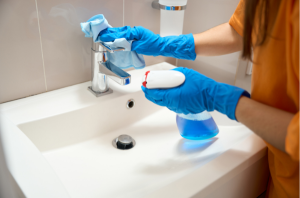
For customer-facing industries, washroom cleanliness directly affects brand reputation.
Customers often judge businesses by their bathrooms because washrooms reveal standards that are not always visible elsewhere.
In industries such as hospitality and healthcare, poor washroom hygiene can significantly damage trust.
Customers may assume:
- Food hygiene standards are poor
- Workplace cleanliness is lacking
- Staff care standards are inadequate
- Overall business quality is low
Conversely, clean and well-maintained washrooms reinforce professionalism and customer confidence.
The Link Between Washroom Hygiene and Workplace Productivity
Healthy, comfortable workplaces support better employee performance.
Poor hygiene standards can lead to:
- Increased sick leave
- Reduced concentration
- Workplace discomfort
- Lower morale
- Increased stress
Employees are more productive when they feel their workplace is clean, safe, and professionally maintained.
Simple improvements in workplace hygiene often contribute to stronger employee satisfaction overall.
How to Improve Workplace Washroom Hygiene
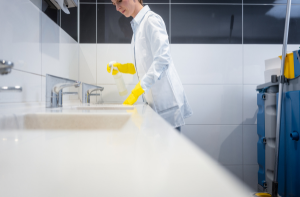
Create a Structured Cleaning Schedule
Washrooms should follow detailed cleaning schedules that include:
- Daily cleaning
- Frequent touchpoint sanitising
- Deep cleaning routines
- Supply restocking
- Odour checks
Consistency is essential.
Focus on High-Touch Areas
High-touch surfaces should be sanitised regularly throughout the day.
Priority areas include:
- Door handles
- Flush buttons
- Taps
- Soap dispensers
- Benchtops
Use Commercial-Grade Cleaning Products
Commercial environments require stronger, more effective hygiene products than standard household cleaners.
Businesses should use products designed specifically for:
Improve Ventilation and Airflow
Good airflow reduces:
- Moisture
- Odours
- Mould growth
- Bacteria build-up
Ventilation systems should be inspected regularly.
Upgrade Hygiene Supplies
Businesses should provide:
- Quality hand soap
- Reliable paper towels
- Hand sanitiser
- Toilet paper
- Feminine hygiene disposal units
Touch-free dispensers can also improve hygiene and reduce cross-contamination.
Sustainable Washroom Hygiene for NZ Businesses
Many New Zealand businesses are now balancing hygiene performance with sustainability goals.
Sustainable washroom solutions may include:
- Recycled paper products
- Refillable soap dispensers
- Eco-friendly cleaning chemicals
- Water-saving fixtures
- Energy-efficient hand dryers
Environmentally responsible hygiene practices can help businesses reduce waste while maintaining high cleanliness standards.
The Role of Professional Cleaning and Hygiene Suppliers
Maintaining workplace washrooms properly requires more than occasional cleaning.
Professional hygiene suppliers help businesses access:
- Commercial-grade cleaning products
- Reliable hygiene supplies
- Washroom consumables
- Sustainable solutions
- Hygiene expertise
Working with experienced suppliers helps businesses maintain consistent standards while improving operational efficiency.
How Insinc Supports Cleaner, Healthier Workplace Washrooms
At Insinc Products, we help New Zealand businesses maintain professional, hygienic workplaces with high-quality cleaning, washroom, and hygiene solutions designed for commercial environments.
We supply:
- Commercial washroom products
- Hand hygiene solutions
- Paper products
- Cleaning chemicals
- Sustainable cleaning products
- Workplace hygiene supplies
Whether you operate an office, café, healthcare facility, retail store, school, or warehouse, our team can help you create cleaner, healthier washroom environments that support both employee wellbeing and customer confidence.
Workplace Washroom Hygiene Checklist
Daily
- Sanitise high-touch surfaces
- Empty rubbish bins
- Restock soap and paper products
- Clean toilets and sinks
- Check for odours
Weekly
- Deep clean floors and walls
- Inspect ventilation systems
- Clean drains
- Polish fixtures and mirrors
Monthly
- Review cleaning procedures
- Inspect maintenance issues
- Evaluate supply usage
- Update hygiene systems if required
Frequently Asked Questions
Why are workplace washrooms important?
Washrooms influence employee wellbeing, customer perception, hygiene standards, and overall business reputation.
How often should workplace washrooms be cleaned?
High-traffic workplace washrooms may require cleaning multiple times daily, particularly for high-touch surfaces.
What causes bad washroom smells in workplaces?
Common causes include poor ventilation, bacteria build-up, dirty drains, moisture, mould, and inconsistent cleaning.
What products should workplaces use in washrooms?
Businesses should use commercial-grade disinfectants, hand hygiene products, paper consumables, and odour-control solutions designed for workplace environments.
How can businesses improve washroom hygiene quickly?
Start by improving:
- Cleaning schedules
- Supply management
- Ventilation
- Surface sanitising
- Odour control
Conclusion
Your workplace washroom says far more about your business than many people realise.
Clean, hygienic, and well-maintained washrooms help create healthier workplaces, improve employee wellbeing, strengthen customer trust, and reinforce professional business standards.
In contrast, poor washroom hygiene can negatively affect staff morale, workplace health, and brand reputation.
By investing in better workplace washroom hygiene, New Zealand businesses can create safer, more comfortable environments that positively influence both employees and visitors.
For businesses looking to improve workplace hygiene standards, Insinc Products provides practical cleaning and washroom solutions that help support cleaner, healthier, and more professional workplaces across New Zealand.
https://www.insinc.co.nz/category/cleaning-supplies.html
Posted: Friday 1 May 2026